Insights
-
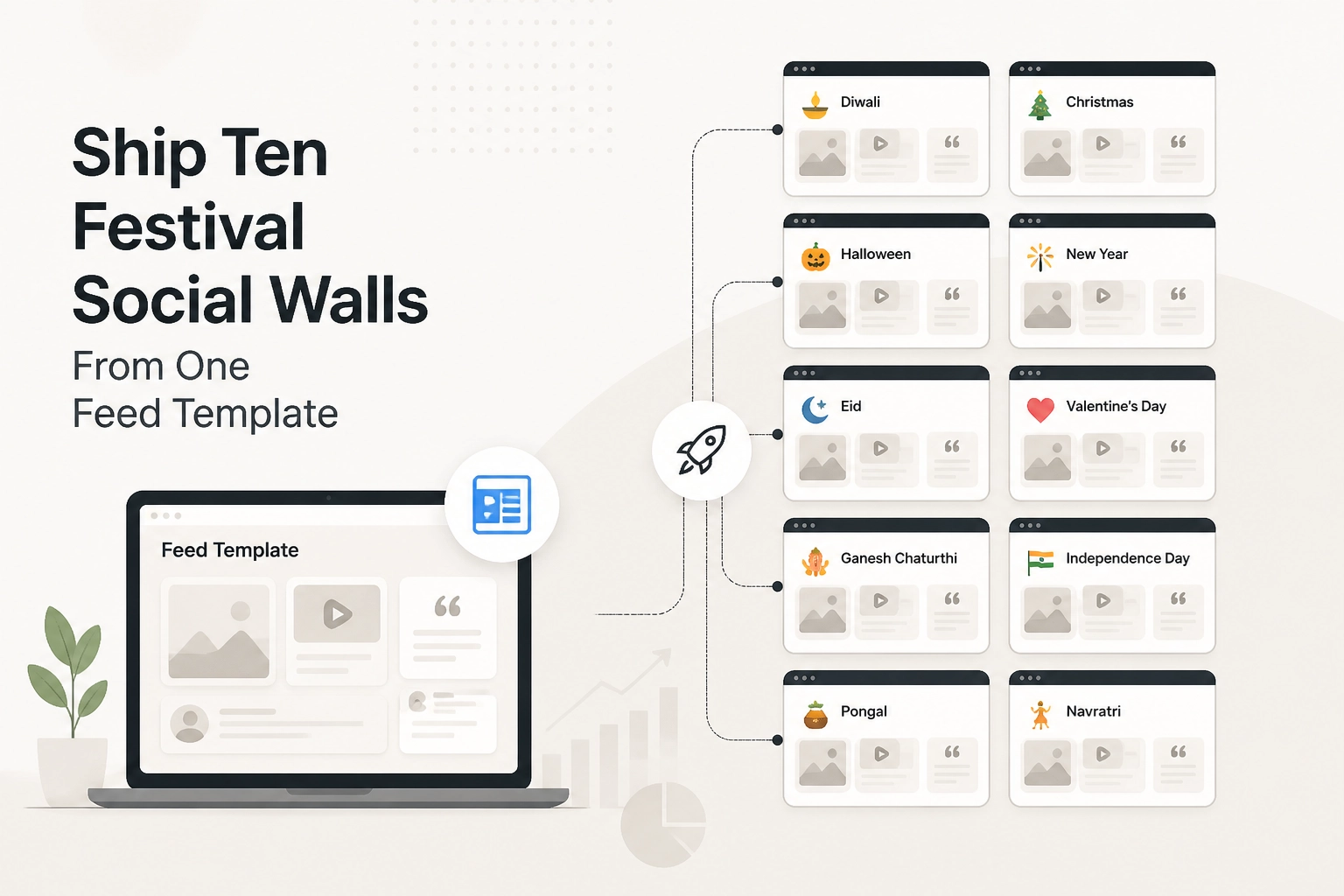
Ship Ten Festival Social Walls From One Feed Template
Agencies lose festival margin when every client wall is built from scratch. Here is the validated feed template, four variation points and a pre-season rollout that makes the tenth wall a configuration job.
-
UGC Moderation Rules for a Website Wall That Feels Live
Accept everything and your wall looks like spam. Hand-pick only brand posts and it looks staged. This guide shows how to write inclusion and exclusion rules that keep a customer feed both credible and safe.
-
What to Test in a Social Feed Tool for Client Websites
Most agencies choose a social feed tool on looks and price. This checklist scores candidates against what client work actually demands: per-client isolation, credential handling, client-approved moderation and a clean contract exit.
-
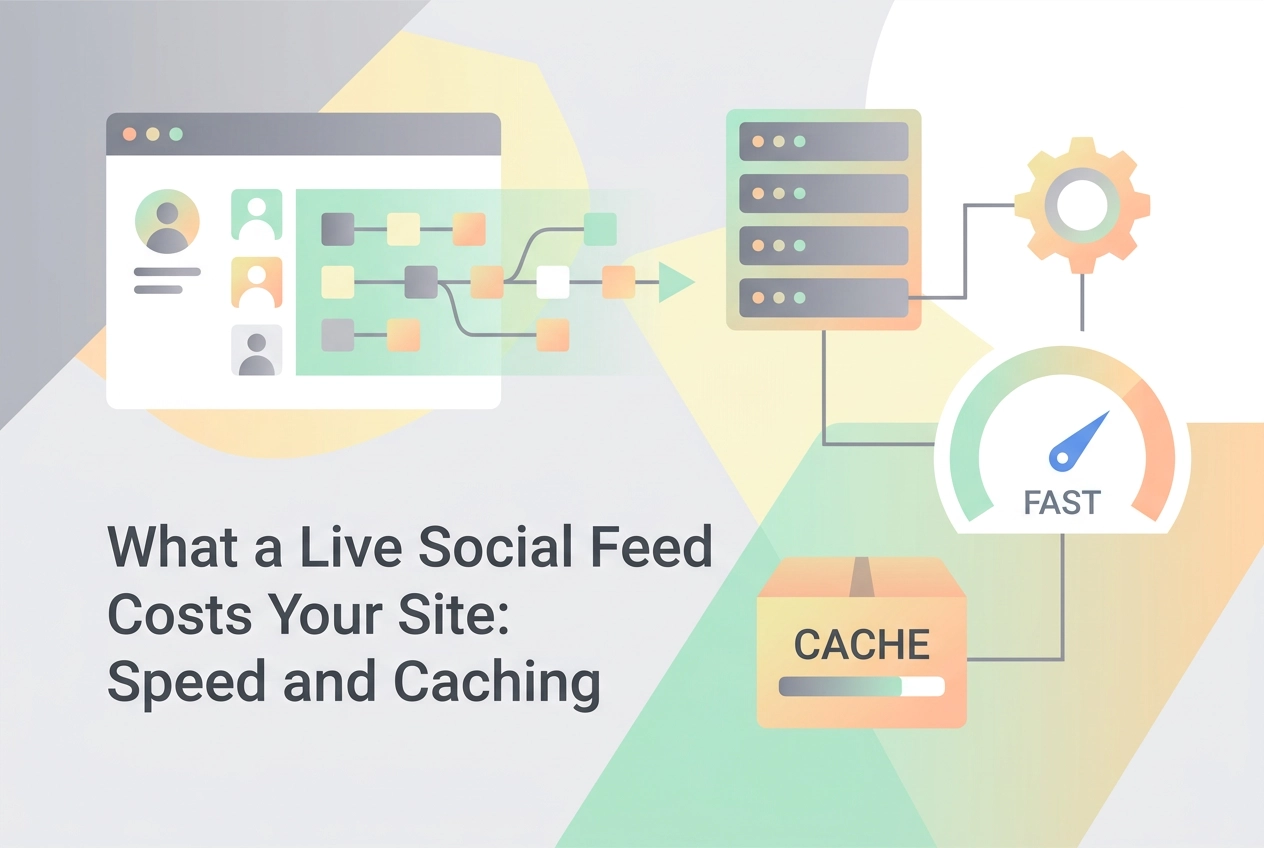
What a Live Social Feed Costs Your Site: Speed and Caching
Most live feed decisions get made on looks and price. The bill arrives later, as slow pages, stale posts and feeds that break when a source goes offline. Here is what actually drives each of those costs, and which ones are yours to set.
-
Is Your Social Proof Working? How to Measure a UGC Feed
Likes and impressions tell you a feed is busy, not that it is working. This guide moves user-generated content measurement onto your own website, where feed interaction, scroll depth, click-throughs and assisted conversions can actually be attributed.
-
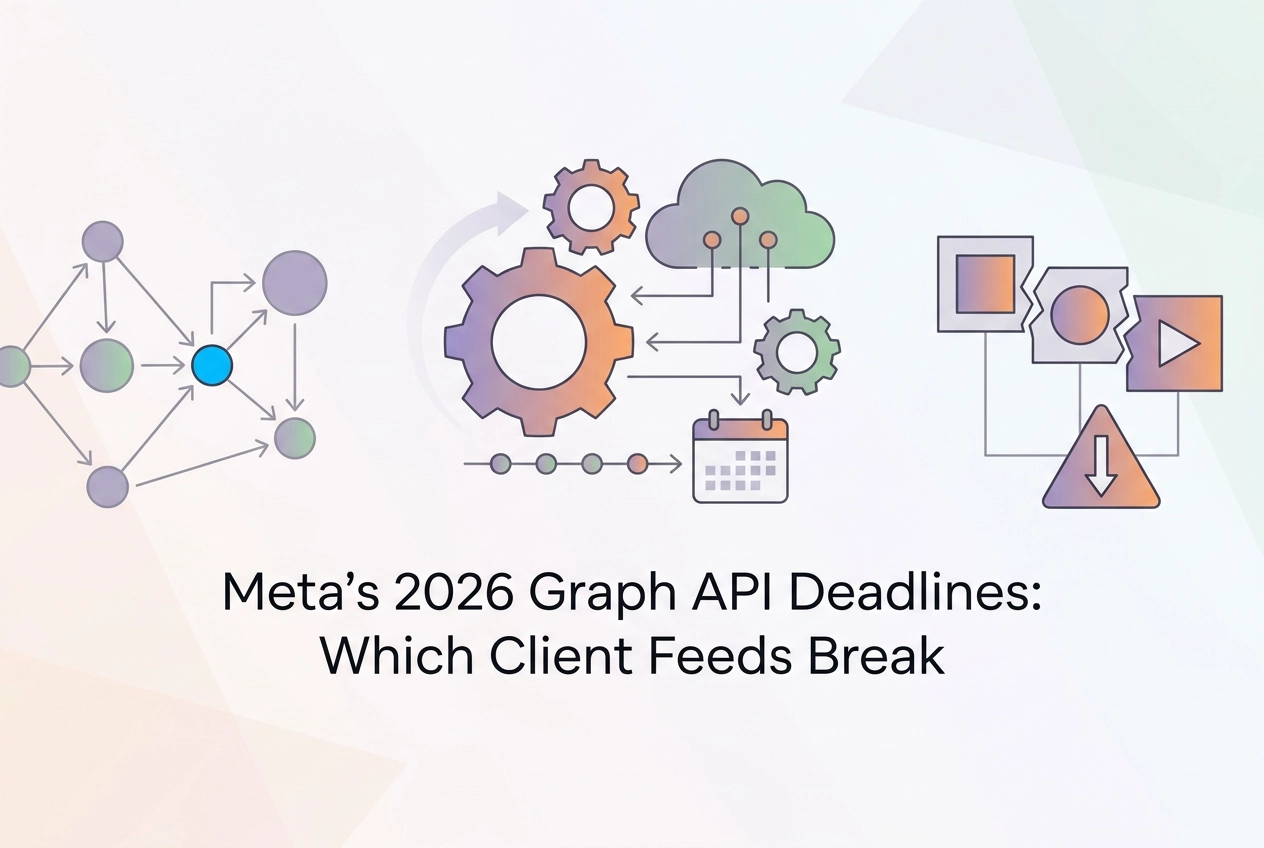
Meta's 2026 Graph API Deadlines: Which Client Feeds Break
Meta retires Graph API versions on fixed dates, and a feed built on a retired endpoint can go blank without throwing an error. Here is the client-by-client inventory and migration checklist agencies need.
-
How Multi-Channel Social Feed Aggregation Actually Works
A single feed merging Facebook, Instagram, TikTok and YouTube looks like one product. Underneath it sits a set of separate pipelines, each with its own limits, costs and failure modes.
-
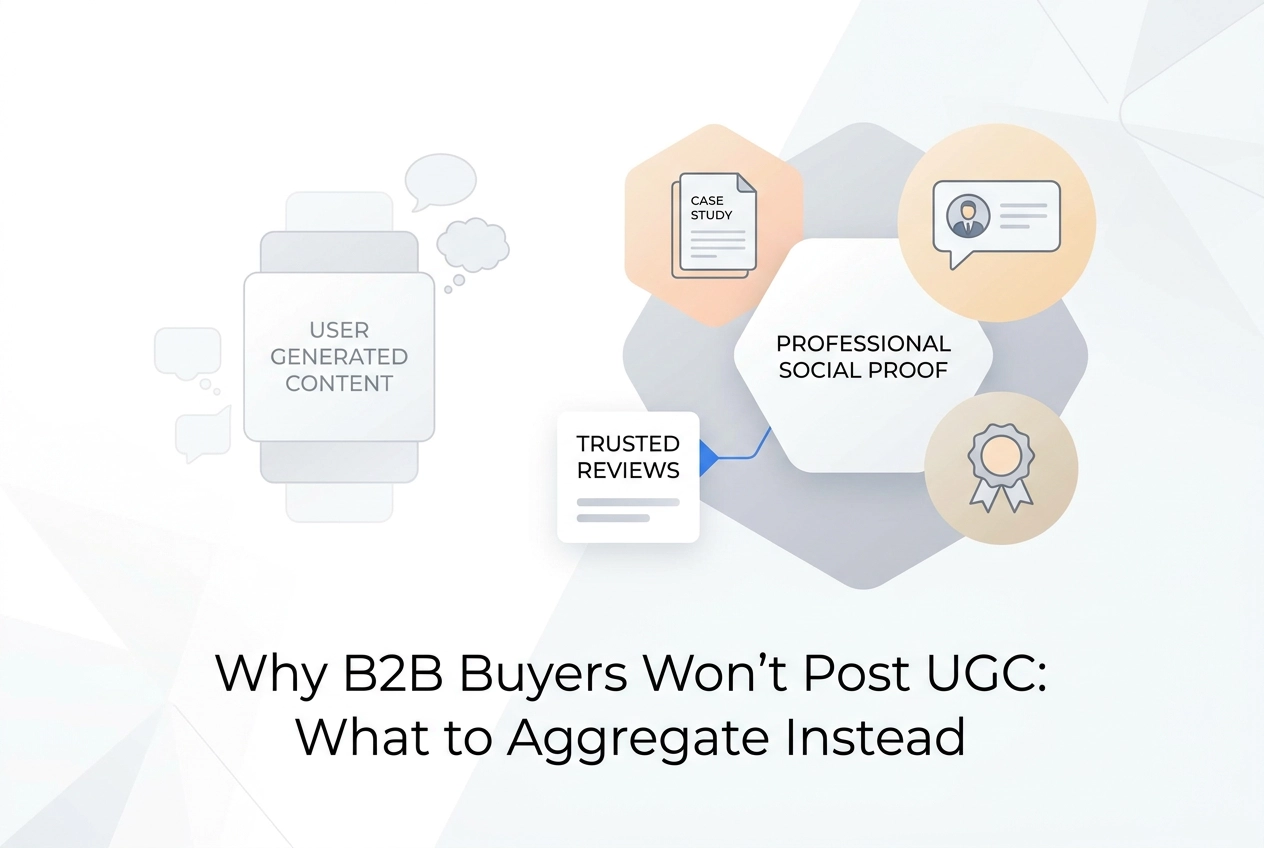
Why B2B Buyers Won't Post UGC: What to Aggregate Instead
B2B buyers rarely photograph the product, so the consumer UGC playbook stalls. This piece shows which proof sources to aggregate instead, and how to handle consent at scale.
-
Moderation Is the Retainer: How to Price Social Wall Work
Agencies sell the social wall build and give away the upkeep. This guide reframes moderation as the recurring billable core, with packaging models built on cadence, approvals and reporting.
-
The Best Social Media Aggregator Tools for Websites in 2026
With the average user active on 6.75 platforms per month, manually curating social content is no longer viable. Here are the best social media aggregator tools that actually solve the problem.
-
User-Generated Content Strategy: How to Turn Customer Social Posts Into a Conversion Asset on Your Website
Most brands treat UGC as an awareness play and leave conversion potential on the table. This guide shows US marketers how to systematically collect, moderate, and place customer social posts where they actually drive purchases.
-
Social Media Aggregator for Your Website: How to Choose the Right Display Settings for Maximum Engagement
Picking a social media aggregator is only half the decision. The display settings you choose — layout format, platform mix, moderation rules, and refresh frequency — determine whether visitors actually engage with your feed or scroll straight past it.